GRP / FRP Modular Bolted Panel Water Tank (Philippines)
WRAS-certified GRP / FRP modular water tanks for commercial and industrial operations. GRP (glass reinforced plastic) and FRP (fiberglass reinforced plastic) are the same composite material, and both names are used interchangeably by Philippine engineers and procurement teams. Bolt-assembled panels arrive on flat pallets and assemble on-site, no crane required for tanks under 200 cubic meters. 34% glass fiber content (industry norm is 17 to 20%). 25-year design life. Delivered nationwide from Metro Manila.
WRAS · ISO 9001 · TÜV · CE · ASME · PED|Nationwide PH delivery|Quote in 3 to 5 business days|1 business day response
Request a Quotation
Send us your requirements and we'll prepare a detailed quotation with pricing and scope of supply.
Overview
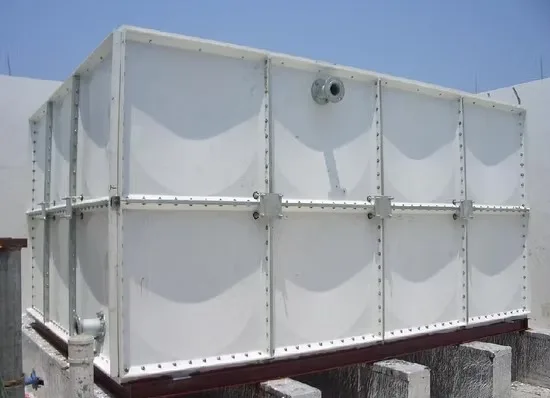
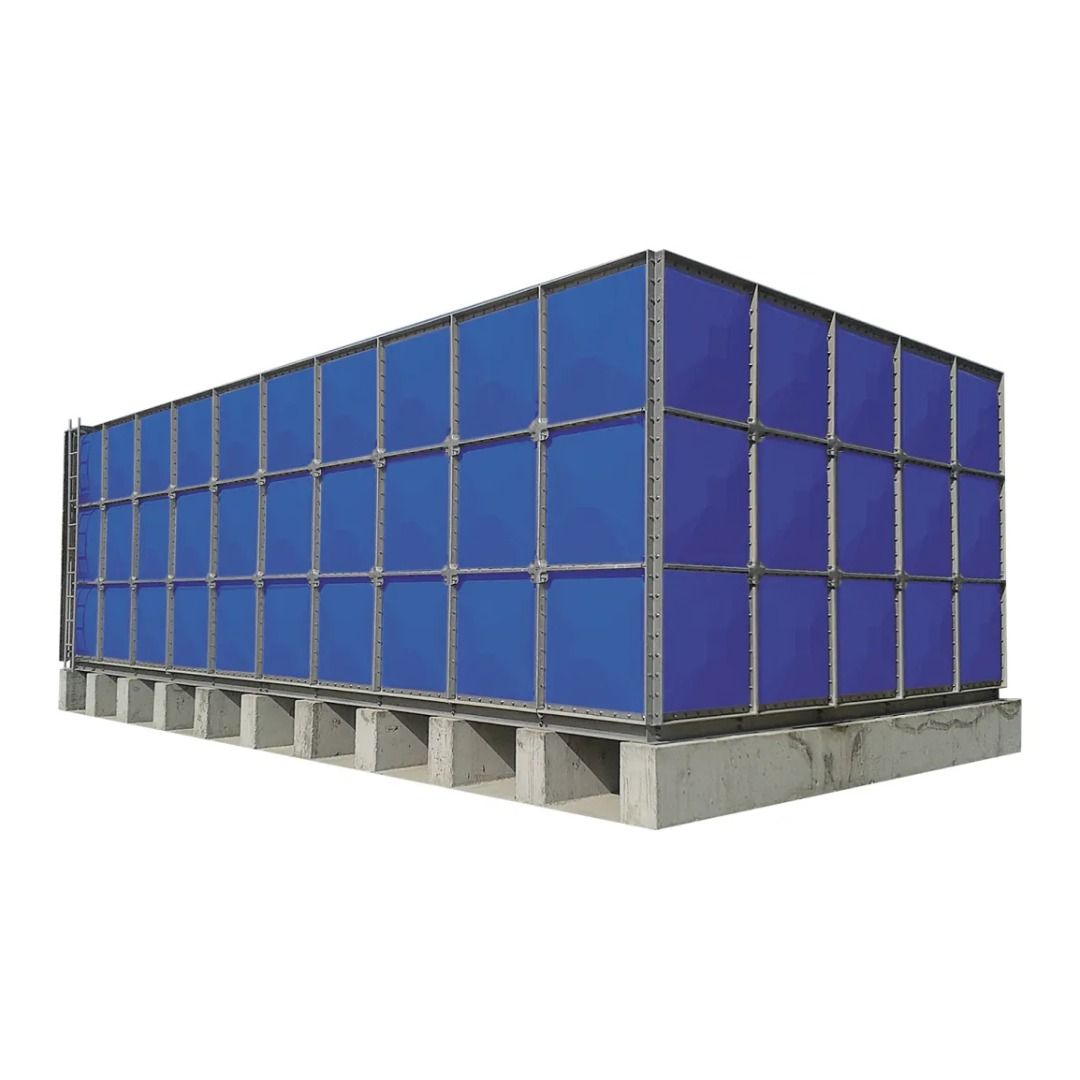
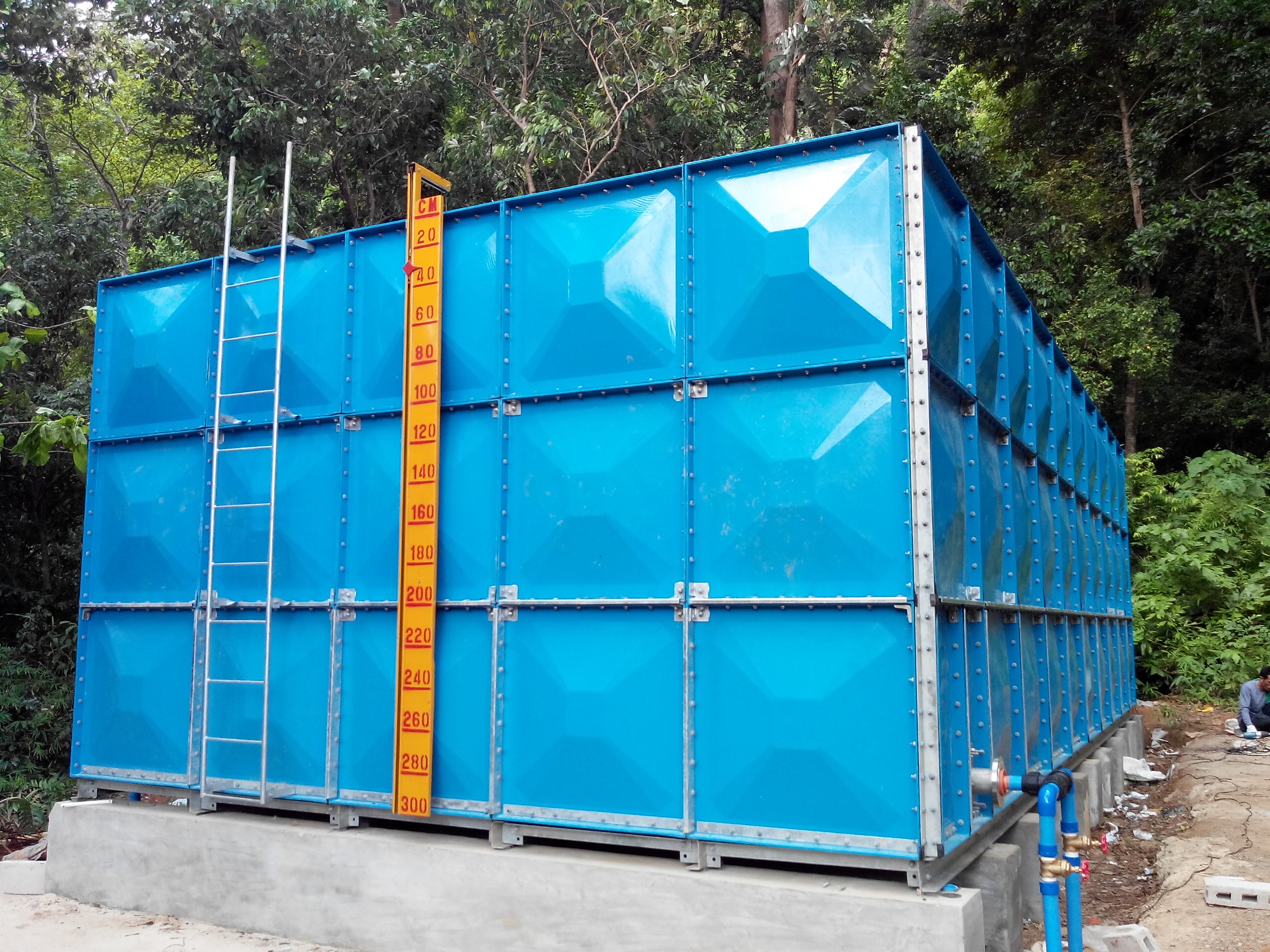
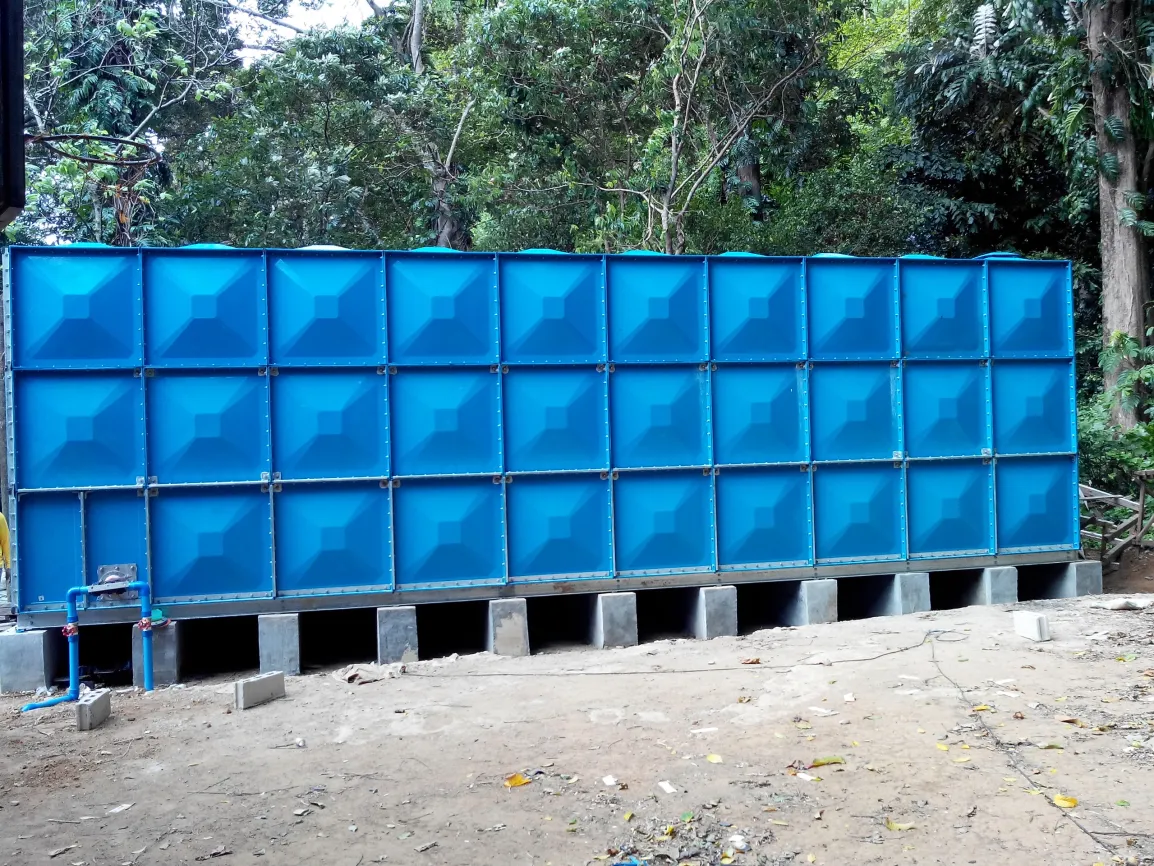
Our GRP / FRP modular water tanks are engineered for large-capacity water storage in commercial and industrial facilities. GRP (Glass Reinforced Plastic) and FRP (Fiberglass Reinforced Plastic) are two names for the same composite material, used interchangeably across the Philippine market. Each tank is assembled from precision-molded SMC panels bolted together on-site: no welding, no heavy cranes. The modular design means tanks can be expanded by adding panels, and the lightweight construction eliminates the need for heavy structural reinforcement. Ideal for commercial laundry operations, hotels, hospitals, and any facility that requires uninterrupted water supply. A 200,000-liter tank provides approximately 3 hours of continuous operation buffer during water supply disruptions. That buffer is critical for large-scale laundry depots processing linens from 30+ hotels.
Key Features
Technical Specifications
| Material | SMC (Sheet Molding Compound) / FRP panels |
| Panel Size | 1m × 1m / 1m × 0.5m standard panels |
| Tank Height | 1m to 4m (stackable panels) |
| Capacity | 10,000L to 500,000L+ (custom sizing) |
| Temperature Range | -30°C to +70°C |
| Internal Lining | Food-grade resin (potable water safe) |
| Framework | Hot-dip galvanized steel |
| Insulation | Optional PU foam insulation panels |
| Water Inlet/Outlet | Flanged connections (custom sizing) |
| Foundation | Concrete base pad required (by buyer) |
Applications
Sizing, Specifications & Lead Times
| Capacity | Typical dimensions (L x W x H) | Panel grade | Manhole / accessories | Lead time |
|---|---|---|---|---|
| 8,000 L (8 m³) | 2 x 2 x 2 m | WRAS-cert, HDG kit | 1 manhole + water level indicator + internal + external ladder | 30-45 days |
| 20,000 L (20 m³) | 4 x 2.5 x 2 m or 5 x 2 x 2 m | WRAS-cert, HDG kit | 1 manhole + WLI + ladders + overflow + breathing valve | 30-45 days |
| 30,000 L (30 m³) | 3 x 3 x 3.3 m | WRAS-cert, HDG kit | 1 manhole + WLI + ladders + overflow + breathing valve | 30-45 days |
| 50,000 L (50 m³) | 5 x 3 x 3.3 m | WRAS-cert, HDG kit | 2 manholes + 2 WLIs + full accessories | 35-50 days |
| 100,000 L (100 m³) | 10 x 3 x 3.3 m or 5 x 6 x 3.3 m | WRAS-cert, graded 12/10/8/7 mm | 2 manholes + 2 WLIs + full accessories | 35-50 days |
| 200,000 L (200 m³) | 22 x 3 x 3 m or 10 x 6 x 3.3 m | WRAS-cert, graded 12/10/8/7 mm | 2 manholes + 2 WLIs + full accessories + reinforced base | 40-60 days |
| 500,000 L+ (custom) | Sized to site | Engineered per site | Custom accessory package | 60-90 days |
Standard specification: SMC GRP / FRP modular panels, 34% glass fiber content, WRAS-approved resin for potable water contact up to 65°C, HDG kit including internal and external ladders, base channel, water level indicator, breathing valve, overflow pipe, and all installation hardware. Manufacturer warranty 3 years; design life 25 years. As a quick selector: 20,000 L suits hotels and small commercial buildings, 50,000 L suits hospitals and mid-size manufacturing, 100,000 L suits food processing plants and large hotels, and 200,000 L and above serves industrial estates and combined domestic-plus-fire reserves.
GRP / FRP vs HDG vs Stainless Steel: Material Comparison
| Material | Best for | Potable water | Relative cost | Where we supply it |
|---|---|---|---|---|
| GRP / FRP modular panels | Potable reserve, process water, fire reserve; rooftop and tight-access sites | Yes, WRAS-certified panels | Mid | This page |
| SS304 / SS316 stainless steel | Surgical hygiene, pharma, dairy, 30+ year lifespan requirements | Yes, inherently inert | Highest; cost-prohibitive above ~200 m³ | Stainless Steel Panel Water Tank |
| HDG (hot-dip galvanized) steel panels | Non-potable utility water, cooling tower makeup, fire reserve | Non-potable duty | Lowest | Via our TankSmith brand |
| Glass-fused-to-steel (enamelled) panels | Very large municipal reservoirs and biogas / leachate duty | Coating-dependent | High; imported panels and specialist erection crews | Not our focus; GRP covers the same commercial duty at mid cost |
| One-piece polyethylene | Small volumes below around 10,000 L | Grade-dependent | Lowest at small sizes | Not our focus; we recommend it below modular tank sizes |
GRP (glass reinforced plastic) and FRP (fiberglass reinforced plastic) are two names for the same composite: a resin matrix reinforced with glass fibre. Suppliers using either term are quoting the same panel technology, so compare on glass fiber content, resin certification, and panel thickness instead of the acronym.
Reading the table top to bottom, the pattern is a trade between hygiene ceiling, weight, and cost. Stainless steel sets the hygiene ceiling: inherently inert, tolerant of hot cleaning cycles, and the default where pharma-grade or dairy-grade duty is specified, at the highest price per cubic meter. HDG sits at the opposite end: the cheapest way to hold utility water that no person will ever drink, with the zinc coating rather than the steel doing the corrosion work. Enamelled glass-fused-to-steel panels compete with GRP only at reservoir scale; in the Philippine commercial market the imported panels and specialist erection crews they require usually price them out of projects that a bolted GRP tank handles routinely. GRP holds the middle for a reason: WRAS-certified potable contact, roughly a third of the weight of a steel equivalent, and panel-by-panel assembly that fits rooftops and enclosed utility yards where welded or enamelled construction cannot go. Philippine climate settles many of these comparisons in practice: in year-round humidity and salt-laden coastal air, GRP panels neither rust nor need recoating, HDG depends on its zinc layer and warrants periodic inspection in chloride-heavy coastal zones, and stainless steel resists both but at the highest cost per cubic meter.
Cost comparisons should also be made on the installed total, not the panel price. A GRP tank under 200 cubic meters needs no crane, assembles in days with a four-person crew, and sits on a plain reinforced slab, so the civil and erection line items stay small. Heavier systems drag lifting equipment, longer programmes, and bigger foundations into the quotation. When buyers compare our GRP quote against a cheaper panel price from another material, the gap usually reverses once those site costs are added.
Tank sourcing for the full range above routes through TankSmith, Johob's dedicated water tank systems brand: GRP / FRP modular panels including this page's product line, stainless steel modular and welded vessels, HDG utility tanks, and the matching pressure booster pump systems. Buying through one brand means one quotation, one certification package, and one warranty point of contact regardless of which material your project lands on.
A storage tank is also only half of a water system; the other half is pressure. Most tank projects pair the reserve with commercial booster pumps in duplex configuration so stored water reaches fixtures and machines at stable pressure. The matching CDL vertical multistage pumps and duplex VFD control panels are specified together with the tank under the same quotation, which is how fire reserve and domestic systems are typically packaged.
Who Typically Buys This
What Determines Your Quote
Every quote is engineered to your operating requirements. Pricing depends on:
- Configuration: capacity, flow rate, head pressure, motor size, voltage/phase, materials of construction
- Certification tier: WRAS-cert vs commercial-grade, ASME stamping, IP rating for panels
- Delivery region: nationwide (Metro Manila, Luzon, Visayas, Mindanao); freight varies by destination
- Installation scope: supply-only, supply + mechanical install, or full turn-key with commissioning
- Payment structure: milestone terms tailored to project timeline (typically 40/30/20/10 for engineered scopes; 70/30 for equipment supply)
- Tax status: 12% VAT applies to VAT-registered buyers; Zero-VAT available for eligible PEZA / SBMA locators and exporters
Formal written quote within 3 to 5 business days of complete spec confirmation. Response within 1 business day to every inquiry.
Frequently Asked Questions
What's the difference between FRP, GRP, and SMC panels?
FRP (fiberglass-reinforced plastic) is the umbrella term; GRP (glass-reinforced plastic) is the same material by UK/EU naming; SMC (sheet molding compound) is the specific hot-press process used to manufacture the panels. All our tanks use SMC hot-pressed panels with WRAS-certified resin, which is the highest-quality manufacturing method for potable water contact. When comparing suppliers, ask specifically for the glass fiber content: our panels run 34% glass fiber, well above the 17 to 20% industry norm, which directly determines panel strength and lifespan.
Is a GRP water tank the same as an FRP water tank?
Yes. GRP (glass reinforced plastic) and FRP (fiberglass reinforced plastic) are two names for the same composite material: a resin matrix reinforced with glass fibres. GRP is the UK and European term while FRP is the US and Asian term, and Philippine engineers, contractors, and procurement teams use both interchangeably. A supplier quoting a GRP modular water tank and one quoting an FRP modular tank are offering the same panel technology, so compare glass fiber content, resin certification, and panel thickness rather than the acronym. Every GRP / FRP tank we supply uses SMC hot-pressed panels with WRAS-certified resin.
What sizes of GRP modular water tanks are available in the Philippines?
GRP modular tanks are sectional, so capacity is set by panel count rather than a fixed mold: standard configurations run 8,000 to 200,000 liters, and custom-engineered tanks above 500,000 liters are sized to site. Rectangular or square footprints are configured to fit rooftops, basements, and tight utility yards, with tank heights from 1 to 4 meters using stackable panels. The sizing table above shows typical dimensions, panel grades, and accessories per capacity band.
Is FRP safe for potable (drinking) water?
Yes, when the panels are WRAS-certified. WRAS (Water Regulations Advisory Scheme, UK) is the strictest potable water contact standard in the industry. Non-WRAS panels can leach resin compounds into stored water over time; WRAS-certified panels are chemically inert up to 65°C. Every GRP / FRP tank we supply uses WRAS-approved resin, and the certification documents are included in your delivery paperwork for compliance and permit records.
How long does installation take?
On-site bolted assembly for tanks under 100 cubic meters typically takes 3 to 5 days with a crew of 4. Larger tanks of 100 to 200 cubic meters take 5 to 8 days. Tanks over 200 cubic meters require an engineered base slab and a 7 to 10 day assembly window. Because the panels bolt together on-site, no crane is required for tanks under 200 cubic meters, which keeps installation feasible even on constrained sites like rooftops and enclosed utility yards.
What civil works do we need to prepare?
A level reinforced concrete slab sized to the tank footprint plus the panel outrigger, rated for the fully loaded static load of the tank. We provide the base design drawings as part of the supply package; the civil works themselves are usually contracted separately by your builder. If you send us your site layout during the quotation stage, we include the slab dimensions and load requirements in the quote so your civil contractor can price it at the same time.
What warranty does an FRP tank carry?
Manufacturer warranty is 3 years covering panel integrity, seals, and included accessories, with a 25-year design life on the tank structure itself. Every delivery includes the warranty certificate, material test certificates, and factory inspection reports, so your procurement and compliance records are complete from day one. Warranty claims are handled directly by our team as your single point of contact.
How does a GRP tank compare with an enamelled (glass-fused-to-steel) tank?
Enamelled glass-fused-to-steel tanks bond a glass coating onto steel panels and are a legitimate technology at municipal reservoir scale, but they rarely make sense for Philippine commercial projects. The panels are imported, erection requires specialist crews and lifting equipment, and any coating damage during bolting creates a corrosion point that needs factory-grade repair. A GRP tank delivers the same potable-certified storage in the 8,000 to 500,000 liter range with lighter panels, crane-free assembly under 200 cubic meters, and local crews, which is why GRP is the default sectional tank technology in the commercial market here.
What is the standard lead time for an FRP tank?
Standard configurations from 8,000 to 50,000 liters run 30 to 45 days from down payment. Mid-size tanks up to 200,000 liters run 35 to 60 days. Custom-engineered tanks above 500,000 liters run 60 to 90 days including base design. If your project has a hard deadline, tell us during inquiry: sequencing the base civil works in parallel with panel fabrication usually saves 2 to 3 weeks on the overall timeline.
Related Products in Water Storage Solutions
Where This Is Used
- Equipment Supply for SBMA and PEZA Locators
- FRP Water Tank Supplier Philippines (Overview)
- Vertical Multistage Pumps (CDL Series)
- VFD Duplex Control Panels
- SS304 Flexible Hose Custom Fabrication
- Guide: FRP vs Stainless Steel Water Tank
- Guide: Water Tank Compliance in the Philippines
- Water Infrastructure for Commercial Laundries
- Case Study: 500-Bed Commercial Laundry, Taguig
Found this useful? Add Johob as a Preferred Source on Google so our supply guides show up first next time you search.
Ready to Spec This In?
Send us your requirements (capacity, location, timeline, install scope) and we'll return a fully specced quotation with drawings, material certificates, and lead time within 3 to 5 business days.
Request a Quotesales@johob.com · +63 997 078 9953 (Viber)
Common inquiries we can answer today: sizing math, alternative product recommendations, delivery estimates, milestone payment structures, PhilGEPS or PEZA compliance paperwork.